HTFR Logo

What
We Do

We stand alongside young mothers, children, and local activists in Rwanda. By providing funding, tools, and education, we turn vulnerability into strength.

Single mothers cooperative and tree planting projects

Our Core Strategy

Based on the story of Tamar in the Bible (2 Sam 13:1-19), who faced violence and was cast out alone, HTFR was founded to comfort, protect, and advocate for those who are rejected by society. We structure our activities into two pillars: Community Empowerment and Advocacy.

Pillar I

Empowerment

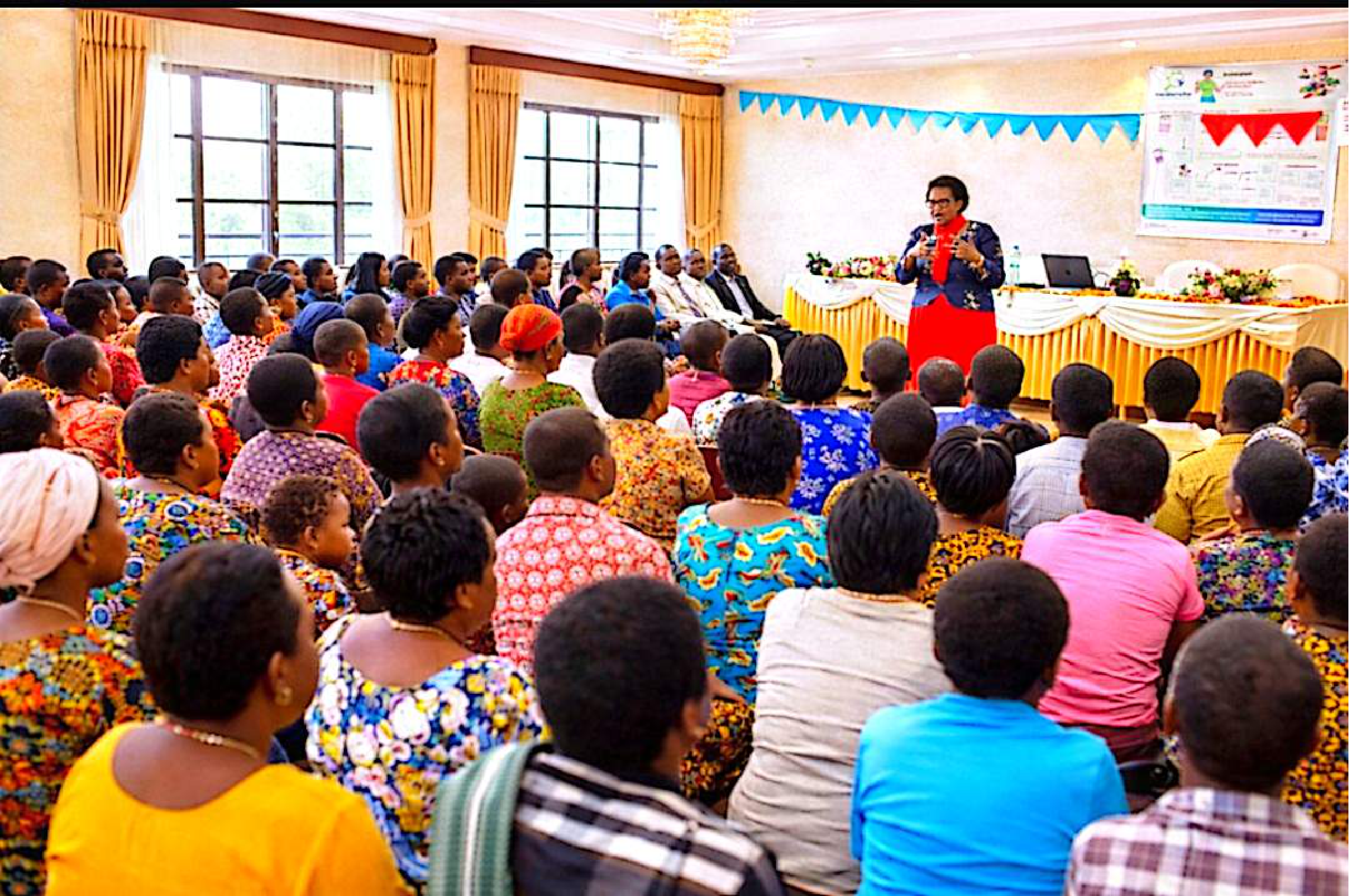
We take a hands-on approach. We equip mothers with vocational training, support savings networks, and provide school supplies so that families can break out of dependency.

Pillar II

Advocacy & Climate

We speak out against gender-based violence and fight for children's rights. At the same time, we lead local climate resilience projects, planting trees and reclaiming degraded land.

Our Operational Programs

Vocational Skills

Empowering Single Mothers

Educating single mothers through vocational training in sewing, soap manufacturing, and body lotion production. We support them to launch businesses and produce our 'BE CONFIDENT' reusable sanitary pads to secure their future.

Climate Action

Environmental Impact

Combating climate change by planting over 5 million trees and reclaiming 500 hectares of degraded land in Rwanda. We train local communities on sustainable living practices and distribute reusable diapers.

Youth Empowerment

Education Support

Fighting school dropout rates by providing basic educational items and hygiene supplies to more than 200 children born to single mothers, ensuring they stay focused in classes.

Rights & Safety

Child Protection

Organizing weekend, Saturday, and school holiday feeding and learning programs. We educate children on their human rights, teach them to spot abuse, and empower them to speak out against violence.

Financial Inclusion

Saving & Credit Groups

Mobilizing single mothers and local youths into self-led microfinance associations. They save, borrow, and build up start-up capital to establish their own cooperative businesses.

Health Advocacy

SRHR Training

Providing awareness and training on Sexual and Reproductive Health and Rights (SRHR). We help beneficiaries make informed choices, defend their safety, and champion public health.

5M+Trees Planted
200+Mothers Trained
300+Kids Supported
500Hectares Regained
3K+People Educated

"Tamar was rejected and left alone in shame. None was there to comfort or stand for her. That is why HTFR exists: to comfort survivors of violence, and show them they are never alone."

— Inspired by 2 Samuel 13:1-19

The Real Challenges

Uplifting rejected families in Rwanda requires tackling deep-seated issues. Our daily work faces structural limits:

Limited Resources

HTFR operates strictly with limited funding, relying almost entirely on support from the founder and her family. We need partner sponsors to expand our work.

Volunteer Capacity

Our activities are powered solely by volunteer staff. We currently lack the financial backing to hire permanent personnel.

Stigma & Rejection

Many single mothers are traumatized and face severe rejection from their families and communities due to cultural norms.

Sexual Violence Trauma

A vast majority of the young women we support are survivors of sexual violence and require long-term mental health counseling.

Hopelessness in Children

Children born to single mothers often feel unwanted or hopeless, asking about their fathers and facing heavy identity conflicts.

Future Roadmap

Engaging Teen Fathers

Bringing teen fathers into our skill training programs, as they are also young and require mentorship to become responsible.

Abigail Initiative

Organizing conflict resolution and mediation training for women within local communities to prevent family violence.

Product Scale-Up

Expanding our soap, lotion, and reusable sanitary pad production lines into a local cooperative factory to sustain income.

Zones of Action

Our active operations cover Muhanga, Karongi, and Kamonyi Districts in the Republic of Rwanda.

Our main headquarters is located in Munazi Cell, Mushishiro sector, Muhanga District. This is where we run training projects and coordinate distributions.